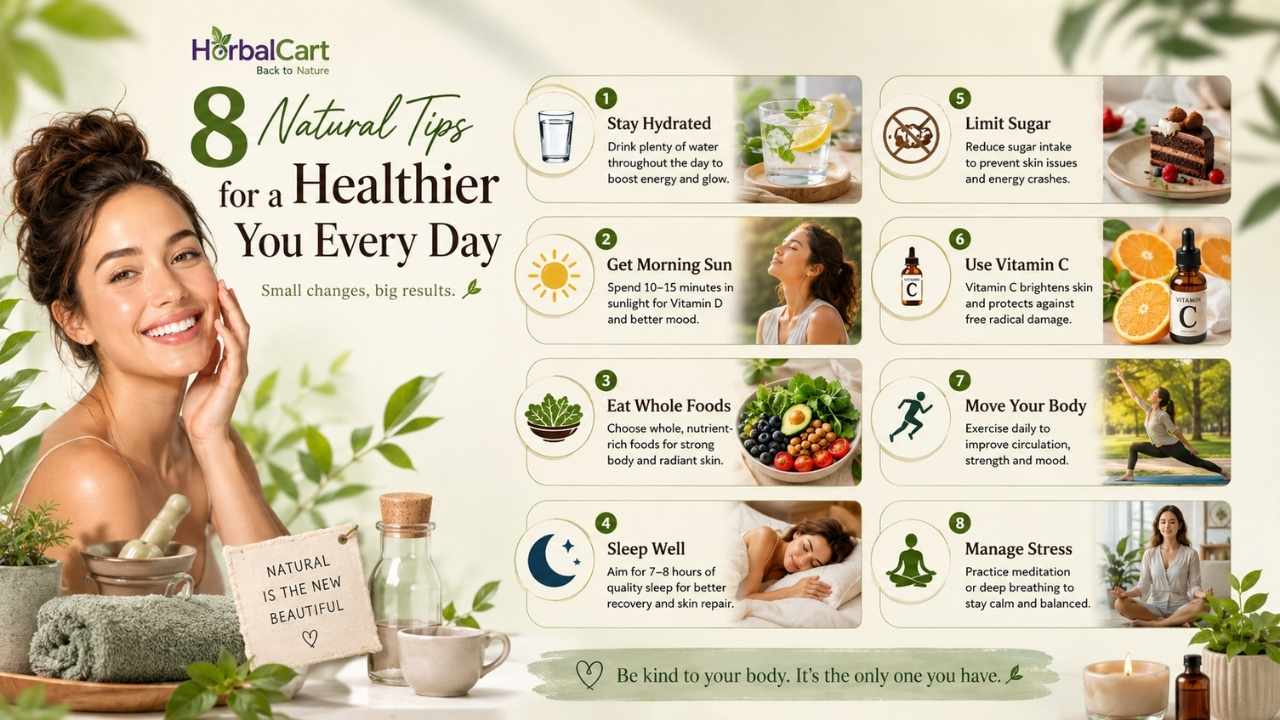
Healthy Skin Tips to Slow Down Aging: Healthy skin is often seen as a reflection of overall well-being. As the body ages, the skin naturally goes through changes such as reduced elasticity, dryness, and the appearance of fine lines. While aging is a natural and unavoidable process, the way skin ages can be influenced by daily habits, lifestyle choices, and consistent care.
The goal is not to stop aging completely, but to slow down visible signs and support skin health in a natural and balanced way. Small, consistent actions often matter more than expensive treatments or complicated routines. By focusing on nourishment, protection, and lifestyle harmony, it is possible to maintain a youthful and radiant appearance for a longer time.

This guide explores practical, natural, and realistic skin care tips that support healthy aging in a gentle and sustainable way.
Understanding How Skin Ages Naturally
Skin aging is influenced by both internal and external factors. Internally, the body produces less collagen and elastin over time, which are proteins responsible for firmness and elasticity. Cell renewal also slows down, making skin appear dull or uneven.

Externally, exposure to sunlight, pollution, stress, poor diet, and lack of sleep can accelerate visible aging. These factors contribute to fine lines, pigmentation, and loss of glow.
Understanding this process is important because it shifts the focus from trying to fight aging to supporting the skin’s natural ability to repair and protect itself. Healthy aging is about balance, not resistance.

Keep Skin Hydrated From Inside And Outside
Hydration plays a major role in maintaining youthful skin. When skin is well hydrated, it appears plumper, smoother, and more radiant. Dry skin, on the other hand, tends to highlight fine lines and feel more sensitive.
Internal hydration begins with drinking enough water throughout the day. Water supports circulation and helps the body flush out toxins, which indirectly benefits skin clarity.

External hydration is equally important. Using gentle moisturizers helps lock in moisture and protect the skin barrier. Ingredients like aloe-based extracts, hyaluronic-like hydration support, and natural oils can help maintain softness and elasticity.
It is also helpful to avoid long exposure to very hot water, as it can strip natural oils from the skin and increase dryness. A balanced approach to hydration keeps the skin comfortable and healthy.

Protect Skin From Sun Exposure Daily
Sun exposure is one of the primary factors that accelerates visible skin aging. Over time, ultraviolet rays can break down collagen and cause uneven pigmentation, fine lines, and loss of firmness.
Protecting the skin from the sun does not mean avoiding sunlight completely. Instead, it means being mindful of exposure, especially during peak hours. Wearing protective clothing, using hats, and seeking shade when necessary can reduce direct exposure.

Applying sunscreen regularly is one of the most effective ways to slow down premature aging caused by the sun. It should be used even on cloudy days because UV rays can still reach the skin.
Consistency is key. Sun protection is not a one-time effort but a daily habit that significantly influences long-term skin health.

Support Skin With A Nutrient Rich Diet
What we eat has a direct impact on how the skin looks and feels. A balanced diet provides the building blocks needed for repair, renewal, and protection.
Fruits and vegetables are rich in antioxidants that help combat oxidative stress, which is one of the contributors to aging. Foods rich in vitamins and minerals support collagen production and skin elasticity.

Healthy fats found in nuts, seeds, and certain oils help maintain skin softness and barrier strength. Protein also plays a role in tissue repair and regeneration.
Reducing excessive sugar and highly processed foods can also benefit the skin, as these may contribute to inflammation and dullness over time.

A simple approach is to focus on whole, natural foods that nourish the body consistently rather than relying on temporary dietary changes.
Maintain A Gentle And Consistent Skin Care Routine
A common mistake in skin care is using too many products or frequently changing routines. The skin responds best to consistency and gentle care.

A basic routine includes cleansing, moisturizing, and sun protection. Cleansing helps remove dirt and impurities without stripping natural oils. Moisturizing maintains hydration and supports the skin barrier.
Harsh scrubbing or over-cleansing can irritate the skin and lead to sensitivity. Gentle products that suit the skin type are more effective in the long term.
Exfoliation can be helpful when done moderately, as it removes dead skin cells and improves texture. However, excessive exfoliation can damage the skin barrier and should be avoided.
Simplicity and consistency are more beneficial than complexity when it comes to long-term skin health.
Prioritize Quality Sleep For Skin Repair
Sleep is one of the most important natural processes for skin regeneration. During deep sleep, the body repairs damaged cells and restores balance. This includes skin cells.
Lack of sleep can lead to dullness, puffiness, and dark circles. Over time, it may also affect collagen production and skin resilience.
Maintaining a regular sleep schedule helps the body function more efficiently. A calm environment before bedtime, reduced screen exposure, and relaxation habits can improve sleep quality.
Good sleep does not just refresh the mind but also plays a direct role in maintaining youthful and healthy-looking skin.
Manage Stress For Healthier Skin
Stress affects the body in many ways, including skin health. When stress levels are high, the body releases hormones that can trigger inflammation and imbalance.
This may lead to breakouts, dullness, or increased sensitivity in some individuals. Chronic stress can also accelerate visible signs of aging over time.
Managing stress does not require major lifestyle changes. Simple habits such as deep breathing, walking, spending time in nature, or engaging in hobbies can help calm the mind.
Emotional balance reflects on the skin more than most people realize. A calm mind often supports a calmer and healthier complexion.
Avoid Harsh Chemicals And Over Treatment
In the search for quick results, many people use strong products that may not suit their skin type. Overuse of harsh chemicals can weaken the skin barrier and lead to long-term sensitivity.
It is important to understand that skin needs time to adapt and respond. Introducing too many active ingredients at once can overwhelm it.
Choosing mild, well-formulated products is often more effective than aggressive treatments. Natural or gentle formulations can support skin health without causing unnecessary stress.
Listening to the skin and adjusting routines based on its response is a more sustainable approach.
Stay Physically Active For Better Circulation
Physical activity supports overall health, and skin benefits from it as well. Exercise improves blood circulation, which helps deliver oxygen and nutrients to skin cells.
Better circulation contributes to a natural glow and supports the body’s detoxification processes. Sweating during physical activity also helps cleanse pores naturally.
Even simple activities such as walking, stretching, or light exercise can make a noticeable difference over time. Consistency is more important than intensity.
Healthy movement supports not only the body but also the appearance and vitality of the skin.
Protect And Strengthen The Skin Barrier
The skin barrier acts as a protective shield against environmental damage. When it is strong, the skin feels smooth, hydrated, and less reactive.
Factors like pollution, harsh weather, and improper skincare can weaken this barrier. Strengthening it requires gentle care, hydration, and protection from irritants.
Using mild cleansers, avoiding over-exfoliation, and maintaining moisture balance all contribute to barrier health. A strong barrier helps the skin retain its natural glow and resilience.
When the barrier is compromised, skin becomes more sensitive and prone to dryness or irritation. Supporting it is essential for long-term skin health.
Embrace Natural Aging With Confidence
While it is natural to want youthful skin, it is equally important to accept aging as a normal part of life. Healthy skin is not defined by the absence of wrinkles, but by its vitality and care.
Confidence and self-acceptance play a subtle but powerful role in how a person feels about their appearance. Stressing too much about aging can sometimes have a negative impact on overall well-being.
The goal of skin care should be to support health, comfort, and confidence rather than perfection. When the focus shifts to care instead of control, the relationship with skin becomes healthier and more balanced.
Conclusion
Healthy skin is the result of consistent care, balanced lifestyle choices, and mindful habits. While aging cannot be stopped, its visible effects can be influenced by how the skin is treated over time.
Hydration, sun protection, nutrition, sleep, stress management, and gentle skincare all work together to support a youthful and radiant appearance.
The most effective approach is simple and sustainable care that respects the skin’s natural rhythm. With patience and consistency, it is possible to maintain healthy, glowing skin at any age.