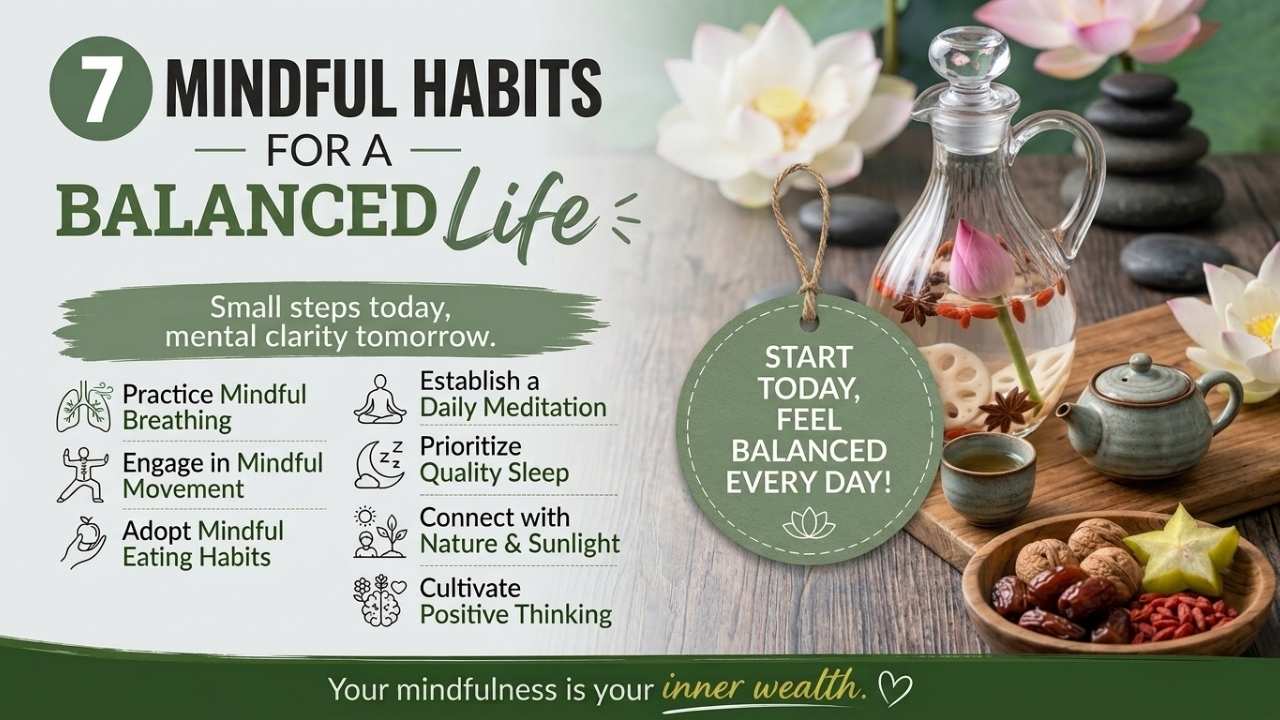
Best Health Tips for Beginners Simple Daily: Starting a healthier lifestyle can feel overwhelming, especially when you are surrounded by endless advice, trending diets, and complicated workout plans. The good news is that improving your health does not require perfection or dramatic changes overnight. In most cases, lasting wellness is built through simple daily habits that become part of your routine over time. Small, consistent actions often create far greater results than short bursts of extreme effort.
Health is about much more than appearance. It includes physical fitness, emotional well-being, mental clarity, quality sleep, balanced nutrition, healthy relationships, and the energy to enjoy everyday life. When these areas work together, you are better prepared to handle daily challenges, pursue your goals, and experience a greater sense of balance.
For beginners, the most important step is simply getting started. You do not need expensive equipment, complicated meal plans, or perfect knowledge to begin making positive changes. Drinking more water, eating more colorful fruits and vegetables, walking regularly, getting enough sleep, and managing stress are all meaningful habits that can support your overall well-being.
One common mistake is trying to change everything at once. While enthusiasm is valuable, making too many changes in a short period can become difficult to maintain. Instead, focus on improving one habit at a time. As each new routine becomes comfortable, you can gradually add another healthy choice.
This guide explores practical health tips for beginners, including nutrition, hydration, physical activity, sleep, stress management, healthy routines, and long-term strategies that make wellness both enjoyable and sustainable.
Start with Small Changes
Many people believe they need a complete lifestyle transformation before they can become healthier. In reality, meaningful progress usually begins with simple decisions that are easy to repeat every day.
Adding one serving of vegetables to lunch, taking a short evening walk, drinking an extra glass of water, or going to bed thirty minutes earlier may seem like minor improvements. However, these habits become powerful when practiced consistently.
Small successes also build confidence. Every healthy decision reinforces the belief that positive change is possible, making future improvements feel more achievable.
Rather than aiming for perfection, focus on building routines that fit naturally into your lifestyle.
Consistency almost always produces better long-term results than intensity.
Eat a Balanced Diet
Nutrition provides your body with the energy and nutrients needed to support daily activities, growth, and overall health.
A balanced eating pattern includes a variety of colorful vegetables, fruits, whole grains, lean proteins, healthy fats, and dairy or suitable alternatives.
Instead of eliminating entire food groups, focus on creating balanced meals that provide different nutrients. A plate filled with vegetables, protein, whole grains, and healthy fats often offers both satisfaction and nutritional value.
Preparing meals at home more often also gives you greater control over ingredients and portion sizes.
Enjoy treats in moderation rather than feeling guilty about occasional indulgences. A healthy lifestyle is built on balance rather than strict perfection.
Stay Hydrated Throughout the Day
Water supports nearly every function within the body. It helps regulate body temperature, transport nutrients, support digestion, and maintain normal physical performance.
Many people simply do not drink enough water during busy days.
Keeping a reusable water bottle nearby makes hydration more convenient. Drinking water before meals, after exercise, and throughout the day helps establish a consistent habit.
Foods with naturally high water content, such as cucumbers, oranges, watermelon, strawberries, and lettuce, also contribute to daily hydration.
Pay attention to your body’s signals. Thirst, dry mouth, and darker urine can indicate the need for additional fluids.
Making hydration a daily priority is one of the easiest ways to support overall wellness.
Move Your Body Regularly
Exercise does not have to mean spending hours in a gym. Any form of regular movement contributes to better health.
Walking, cycling, swimming, dancing, stretching, gardening, yoga, and recreational sports all provide valuable physical activity.
If you are just beginning, start with realistic goals. Even fifteen to twenty minutes of movement most days of the week is a positive step.
As your fitness improves, gradually increase the duration or intensity according to your comfort level.
Choosing activities you genuinely enjoy makes it much easier to remain consistent over time.
Regular movement also supports mood, energy levels, mobility, and overall quality of life.
Prioritize Quality Sleep
Sleep is often overlooked, yet it is one of the most important foundations of good health.
During sleep, the body carries out many essential processes related to recovery, memory, hormone regulation, and overall well-being.
Aim for a consistent bedtime and wake-up schedule whenever possible.
Create a relaxing evening routine by reducing screen time, dimming lights, reading a book, or practicing gentle relaxation techniques before bed.
A comfortable sleep environment with minimal noise and appropriate room temperature can also improve sleep quality.
Consistently getting enough rest helps support concentration, emotional balance, physical recovery, and daily energy.
Manage Stress in Healthy Ways
Stress is a normal part of life, but learning healthy ways to manage it can improve both physical and emotional well-being.
Deep breathing, meditation, spending time outdoors, listening to music, journaling, talking with trusted friends, and practicing gratitude are all helpful ways to reduce stress.
Regular exercise also supports emotional wellness by helping many people feel calmer and more energized.
Remember that taking breaks is productive, not lazy. Rest allows your body and mind to recover so you can approach challenges with greater focus.
Healthy stress management is not about avoiding difficulties. It is about developing practical habits that help you respond to them with resilience and balance.
Small moments of self-care practiced consistently can make a meaningful difference in your overall quality of life.